
The Clock Is Ticking on Your Illinois Work Injury Claim
You’ve been injured at work, and between managing pain, medical appointments, and trying to keep up with daily responsibilities, reporting your injury might not be your first priority. However, in Illinois, you have exactly 45 days from the date of your accident to notify your employer-a deadline that could make or break your ability to receive workers’ compensation benefits. This strict timeline, established under Section 6(c) of the Illinois Workers’ Compensation Act, isn’t just a suggestion; the Illinois Supreme Court has ruled that meeting this deadline is a jurisdictional requirement and a prerequisite to maintaining any proceeding under the Act.
Many injured workers discover this deadline only after it’s too late, leaving them scrambling to understand their options and worried about mounting medical bills and lost wages. The good news is that even if you’re approaching this deadline or have recently missed it, there may still be paths forward. Understanding Illinois workers’ compensation reporting requirements and the exceptions that might apply to your situation can mean the difference between receiving the benefits you deserve and facing financial hardship while recovering from your workplace injury.
💡 Pro Tip: Mark your calendar immediately after any workplace injury, even if it seems minor. Some injuries worsen over time, and having documentation of when the incident occurred protects your rights to benefits later.
Don’t let the clock run out on your workers’ compensation claim. Reach out to Atlas Injury Law today by calling (630) 381-7083 or contact us online. We’re here to help you navigate the complexities of Illinois law and secure the benefits you deserve.
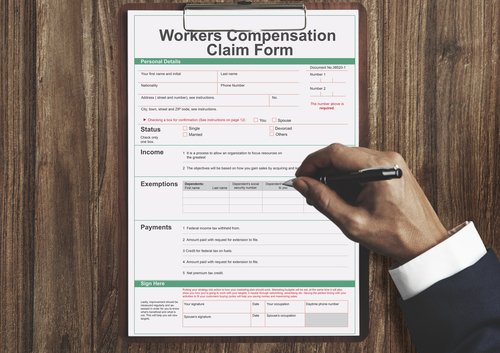
Understanding Your Rights Under Illinois Workers’ Compensation Law
Illinois workers’ compensation laws provide broad coverage for nearly every worker in the state, with over 5.9 million employees protected under the Workers’ Compensation Act and the Workers’ Occupational Diseases Act. These laws ensure that if you’re injured on the job or develop an occupational illness, you have the right to receive medical treatment, disability payments, and other benefits—regardless of who was at fault for the accident. When navigating these complex regulations, many injured workers find it beneficial to work with a workers’ compensation attorney in Chicago who understands both state requirements and local procedures.
Your employer cannot charge any portion of workers’ compensation insurance premiums to you, and the benefits you receive are not taxable under state or federal law. This protection extends to all covered employees, and importantly, your immigration status will not affect the majority of your workers’ compensation benefits if you have a compensable accident. The system is designed to provide a safety net for workers, but it requires strict adherence to procedural requirements, starting with that critical 45-day notice period.
One crucial aspect many workers don’t realize is that Illinois law requires more than just casual mention of your injury. You must make it clear to your employer that you were hurt on the job, establishing the work-related nature of your injury from the start. While some states accept verbal notification, documenting your report in writing provides the strongest protection for your claim. Additionally, Illinois employers face serious consequences for operating without workers’ compensation insurance-negligent failure is punishable as a Class A misdemeanor, while knowing failure constitutes a Class 4 felony, with fines of up to $500 per day of noncompliance.
💡 Pro Tip: Always request a written acknowledgment from your employer when reporting your injury. If they refuse to provide one, send a certified letter or email to create your own paper trail.
Critical Deadlines and Steps in the Illinois Workers’ Compensation Process
The workers’ compensation timeline in Illinois begins the moment your injury occurs, and understanding each deadline is crucial for protecting your rights. While the 45-day reporting requirement gets the most attention, it’s just the first in a series of important deadlines that injured workers must navigate. Your employer has specific obligations too-they must file written responses within 15 days after receiving notice that a petition for immediate hearing is filed, and they’re required to report accidents involving more than three lost work days within one month of the incident. In cases of workplace deaths, employers must report within just two working days.
- Immediately to 24 hours: Contact Gallagher Bassett Services, Inc. (the Third Party Administrator for Illinois state employees) at 1-833-891-1372 to initiate your claim if you’re a state employee
- As soon as practicable, but no later than 45 days: Provide formal notice to your employer about your workplace accident, making clear the injury occurred on the job
- Within 14 days of your notice: Your employer should make the first temporary total disability (TTD) payment if you’re unable to work
- Within one month: Your employer must report your injury to the Illinois Workers’ Compensation Commission if it involves more than three lost work days
- One to three years: File your formal workers’ compensation claim with the state workers’ compensation agency, depending on your specific circumstances
For injuries that develop gradually, such as repetitive strain injuries or occupational diseases like chronic obstructive pulmonary disease (COPD), the timeline works differently. The 45-day period typically doesn’t start until you discover the condition and its connection to your work-usually when a doctor informs you that your job activities caused the problem. This recognition is particularly important for workers in the Chicago area who may be exposed to various workplace hazards, from construction sites along the Magnificent Mile to manufacturing facilities throughout Cook County.
💡 Pro Tip: If you’re unsure whether your gradually-developing condition is work-related, report it anyway. It’s better to preserve your rights than to miss the deadline while waiting for certainty.
Protecting Your Rights When Facing Deadline Challenges
Insurance companies often deny workers’ compensation claims when injuries are reported late, using missed deadlines as their first line of defense against paying benefits. However, Illinois law recognizes that strict adherence to the 45-day deadline isn’t always possible or fair. When you’re facing a potential late reporting issue, consulting with a workers’ compensation attorney in Chicago becomes especially important, as they can help identify which exceptions might apply to your case and guide you through the appeals process if your initial claim is denied.
Most states, including Illinois, allow exceptions to late reporting under specific circumstances. If your employer was aware or should have been aware of your injury-perhaps because your supervisor witnessed the accident or you sought first aid at work-the late reporting may be excused. Other valid exceptions include being incapacitated and unable to report the injury yourself, being quarantined due to a contagious work-related illness, or if your employer failed to post legally required notices about workers’ compensation rules. Crucially, if your employer wasn’t harmed by your late reporting, meaning they could still investigate the claim and provide benefits without prejudice, the delay might not bar your claim.
Atlas Injury Law has extensive experience helping injured workers navigate these complex deadline issues and exception arguments. The key is to act quickly once you realize you may have a reporting issue-even if you’ve already missed the 45-day deadline, you still have the right to appeal if your claim is denied. The workers’ compensation system, while complicated and often taking 12 months or longer to resolve cases fully, still provides avenues for workers who have valid reasons for late reporting.
💡 Pro Tip: Document everything that might explain a late report: hospital stays, medication side effects that affected your judgment, or any communications showing your employer knew about the injury.
Common Exceptions That Could Save Your Late-Reported Claim
While the 45-day deadline is jurisdictional in Illinois, the law isn’t blind to the realities injured workers face. Understanding these exceptions thoroughly can mean the difference between a denied claim and receiving the benefits you need during recovery. Each exception has specific requirements and evidence needed to prove it applies, making it crucial to build your case strategically from the moment you realize you may have missed the deadline.
When Your Employer Already Knew About the Injury
One of the strongest exceptions occurs when your employer had actual or constructive knowledge of your injury. This might happen if your supervisor saw the accident occur, if you received first aid from company personnel, or if you mentioned the injury to management even without filing formal notice. For example, if you injured your back at a Near North Side warehouse and your supervisor helped you to the break room and called for medical assistance, this knowledge could satisfy the notice requirement even without formal written notification. The key is proving that your employer knew both that you were injured and that the injury was work-related.
💡 Pro Tip: Check your workplace’s first aid logs, security footage requests, or incident reports-these often contain evidence that your employer knew about your injury even without formal notice.
Financial Consequences and Employer Violations in Illinois
Understanding the financial stakes involved in workers’ compensation claims helps explain why employers and insurance companies fight so hard on technicalities like the 45-day deadline. In Illinois, employers who knowingly and willfully fail to obtain workers’ compensation insurance face fines of up to $500 for every day of noncompliance, with a minimum fine of $10,000. Since 2006, the Illinois Workers’ Compensation Commission has collected over $7 million in fines from uninsured employers, with these penalties deposited into the Injured Workers’ Benefit Fund to help employees whose uninsured employers failed to pay benefits.
Your Rights When Dealing with an Uninsured Employer
If your employer lacks proper workers’ compensation insurance, the 45-day deadline becomes even more complex. While you still need to provide notice, you may have additional remedies available through the Injured Workers’ Benefit Fund or through civil litigation. A workers’ compensation attorney in Chicago can help you understand whether your employer’s failure to maintain insurance opens up additional avenues for recovery beyond the standard workers’ compensation system. Remember that independent contractors are not considered employees under Illinois law and therefore aren’t covered by workers’ compensation-but many employers misclassify workers to avoid insurance obligations.
💡 Pro Tip: If you suspect your employer lacks workers’ compensation insurance, you can verify their coverage status through the Illinois Workers’ Compensation Commission before deciding how to proceed with your claim.
Frequently Asked Questions
Common Legal Concerns About Work Injury Deadlines
When facing the 45-day deadline or dealing with late reporting issues, injured workers often have similar concerns about their rights and options. These questions reflect the real challenges people face when trying to balance injury recovery with legal requirements.
💡 Pro Tip: Write down all your questions before consulting with an attorney-even seemingly minor concerns might reveal important aspects of your case.
Next Steps and Legal Process
After addressing the immediate deadline concerns, understanding what comes next in the legal process helps reduce anxiety and allows you to prepare properly. The Illinois workers’ compensation system follows specific procedures that injured workers should understand.
💡 Pro Tip: Keep a dedicated folder or digital file for all workers’ compensation documents-organization now saves significant time and stress later in your case.
1. What if I reported my injury verbally to my supervisor but didn’t submit anything in writing within 45 days?
In Illinois, verbal notice can satisfy the 45-day requirement if your employer acknowledges receiving it. However, proving verbal notice can be challenging without witnesses or other supporting evidence. If you reported verbally, immediately follow up with written documentation referencing your earlier verbal report, including the date, time, and person you spoke with. An Illinois workers’ compensation lawyer can help you gather evidence to prove your verbal notice was sufficient.
2. Can I still receive workers’ compensation benefits if I didn’t realize my condition was work-related until after the 45-day deadline?
Yes, for occupational diseases or conditions that develop gradually, the 45-day period typically doesn’t begin until you knew or should have known that your condition was work-related. This often occurs when a doctor diagnoses your condition and links it to your work activities. Once you have this knowledge, you must report within 45 days. Document when and how you learned about the work connection to protect your claim.
3. What happens if my employer refuses to accept my injury report or claims I missed the deadline?
If your employer refuses to accept your report, send written notice via certified mail with return receipt requested, email with read receipt, or hand-deliver with a witness present. Keep copies of all attempts to provide notice. Even if your employer claims you missed the deadline, you can file directly with the Illinois Workers’ Compensation Commission and explain any circumstances that prevented timely notice. Legal representation often becomes crucial in these disputed situations.
4. How much do workers’ compensation attorneys charge, and when do I need to pay?
In Illinois, standard workers’ compensation attorney fees are set by law at 20% of your settlement, and you pay nothing unless you win your case. Fees are paid at the conclusion of your case from your settlement or award. This contingency fee structure means injured workers can access legal representation regardless of their current financial situation, and attorneys are motivated to maximize your recovery.
5. If I was injured months ago but never reported it, is it too late to do anything?
While missing the 45-day deadline complicates your case, it may not be fatal to your claim. Report the injury immediately and consult with a Chicago workers’ compensation attorney to explore possible exceptions. If you had valid reasons for the delay-such as not realizing the injury was work-related, being incapacitated, or your employer having knowledge of the injury-you might still pursue benefits. The key is acting now rather than waiting longer.
Work with a Trusted Workers’ Compensation Lawyer
When dealing with strict deadlines and complex exceptions in Illinois workers’ compensation law, having knowledgeable legal guidance can make a significant difference in the outcome of your case. Workers’ compensation cases can take 12 months or longer to resolve, and insurance companies have teams of lawyers working to minimize or deny claims. Whether you’re racing against the 45-day deadline, dealing with a late reporting issue, or facing a denied claim, understanding your rights and options requires someone who knows both the law and the practical realities of the Illinois workers’ compensation system. Atlas Injury Law focuses on helping injured workers throughout Chicago and Illinois protect their rights and secure the benefits they deserve under the law.
Your rights should never take a back seat, especially when dealing with work injuries. Connect with Atlas Injury Law and let us be your guiding light through the Illinois workers’ compensation maze. Give us a shout at (630) 381-7083 or contact us online today to start navigating your path to the benefits you deserve.