
When a Leash Law Violation Leads to a Dog Bite: Understanding Your Legal Rights
If you’re dealing with the aftermath of a dog bite where the owner violated Chicago’s 6-foot leash law, you likely face physical pain, emotional trauma, and mounting medical bills from an attack that could have been prevented. The leash law violation can serve as powerful evidence of negligence in your civil claim, significantly strengthening your case for compensation.
💡 Pro Tip: Document the scene immediately after a dog bite, including photos of the unleashed or improperly leashed dog, witness contact information, and the exact location. This evidence is crucial when proving a leash law violation.
Facing the repercussions of a dog bite due to a leash law violation? Don’t let negligence leave you in the lurch—reach out to Atlas Injury Law today. Our team is poised to turn ordinance breaches into your advantage, ensuring you secure the compensation you deserve. Connect with us at (630) 381-7083 or contact us to take the first step towards resolution.
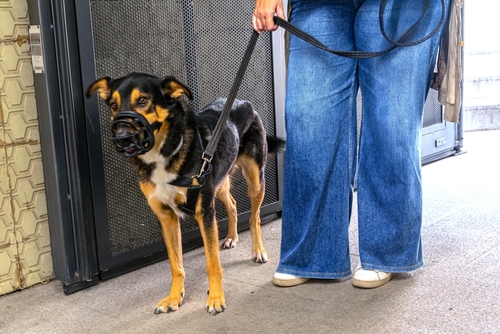
Illinois Dog Bite Law: Your Foundation for Recovery with a Dog Bite Attorney in Chicago
Under Illinois law, specifically Section 16 of the Illinois Animal Control Act (510 ILCS 5/16), dog owners face strict liability when their animals attack. The statute states: "If a dog or other animal, without provocation, attacks, attempts to attack, or injures any person who is peaceably conducting himself or herself in any place where he or she may lawfully be, the owner of such dog or other animal is liable in civil damages to such person for the full amount of the injury proximately caused thereby." If you were lawfully present and didn’t provoke the animal, the owner is responsible for your damages. A dog bite attorney in Chicago will use this statute as the foundation while demonstrating how the leash law violation strengthens your position.
Illinois’ dog bite statute is clear – you don’t need to prove the dog had a history of aggression or that the owner knew their pet was dangerous. The law conditions liability on the animal acting "without provocation," which becomes easier to establish when the owner violated leash laws. A leash law violation shows the owner failed to maintain proper control, making it difficult to argue you provoked the attack. This statutory framework, combined with local ordinance violations, creates a compelling case for full compensation.
💡 Pro Tip: Keep all medical records, photos of your injuries over time, and documentation of lost wages. Illinois law allows recovery for "the full amount of the injury proximately caused," including medical expenses, lost income, pain and suffering, and future medical needs.
The Legal Process: From Dog Bite to Compensation
Understanding the timeline of a dog bite case helps reduce anxiety. Most cases follow a predictable path, though each situation has unique factors affecting timing. The process typically begins immediately after the bite and can extend several months to over a year, depending on injury complexity and whether the case settles or goes to trial.
- Immediate medical treatment and reporting the bite to local authorities (within 24 hours) – all animal bites should be reported for proper rabies protocols
- Documentation phase gathering evidence of the leash law violation, photographing injuries, and collecting witness statements (first 1-2 weeks)
- Initial consultation with a dog bite attorney in Chicago to evaluate case strength based on the leash law violation (within 2-4 weeks)
- Investigation period where your attorney gathers police reports, animal control records, and prior complaints about the dog (30-60 days)
- Medical treatment completion or maximum medical improvement determination (varies from 2-12 months depending on injury severity)
- Demand letter and negotiation phase with the dog owner’s insurance company (typically 2-4 months after treatment concludes)
- Filing a lawsuit if negotiations fail – Illinois has a two-year statute of limitations for personal injury claims from the bite date
- Discovery and potential trial if settlement cannot be reached (additional 6-18 months if litigation is necessary)
💡 Pro Tip: Start a daily journal documenting pain levels, emotional impact, and how injuries affect daily activities. Detailed personal accounts can significantly strengthen claims for non-economic damages.
Turning Leash Law Violations into Fair Compensation with Atlas Injury Law
When a dog owner violates Chicago’s leash laws and their negligence results in your injury, you deserve comprehensive compensation. The combination of Illinois’ strict liability statute and the ordinance violation creates a strong foundation for recovery. Atlas Injury Law understands these case nuances and has experience maximizing compensation by highlighting how the leash law violation demonstrates clear negligence. The firm works on contingency, meaning you pay nothing unless they secure compensation, allowing you to focus on healing while they handle legal complexities.
Leash law violations aren’t just minor infractions – they’re safety measures designed to prevent exactly the harm you’ve suffered. When pursuing your claim with a dog bite attorney in Chicago, the violation serves as concrete evidence that the owner failed to meet their legal duty to control their animal. This often leads to faster settlements and higher compensation because insurance companies recognize the strength of cases involving clear ordinance violations. Atlas Injury Law leverages this advantage by thoroughly documenting the violation and connecting it directly to your injuries.
💡 Pro Tip: Request a copy of the responding officer’s report and any citations issued for the leash law violation. Official documentation from law enforcement carries significant weight during settlement negotiations and can expedite case resolution.
The Power of Leash Law Violations in Proving Negligence
Leash law violations transform dog bite cases from simple strict liability claims into powerful negligence cases with multiple recovery avenues. When a dog owner allows their pet to roam unleashed or beyond the mandated 6-foot distance, they’ve violated a safety ordinance specifically designed to prevent attacks. This constitutes "negligence per se" – meaning the owner’s breach of law automatically establishes their failure to exercise reasonable care. For victims working with a dog bite attorney in Chicago, this legal principle eliminates the need to prove the owner should have known better; the law already established the standard of care, and they violated it.
Understanding Negligence Per Se in Dog Bite Cases
Negligence per se applies when someone violates a law designed to protect a specific class of people from a particular harm. Chicago’s leash law exists to protect pedestrians and community members from uncontrolled dogs – exactly your situation. This legal doctrine means the court can find the owner negligent without extensive testimony about what a "reasonable" dog owner would do. The ordinance violation speaks for itself, potentially increasing both your likelihood of success and compensation available. Your attorney can also explore whether the owner faces additional liability for knowingly violating public safety laws.
💡 Pro Tip: Ask neighbors if they’ve previously seen the dog off-leash or reported concerns to authorities. A pattern of violations can support claims for punitive damages in severe cases, showing willful disregard for public safety.
Medical Concerns and Rabies Protocols After a Dog Bite
Beyond immediate trauma and visible injuries, dog bites carry serious medical risks requiring prompt attention. According to Cook County Animal and Rabies Control, established in 1954 during a statewide rabies epidemic, all animal bites must be reported to local authorities. While rabies remains relatively rare – with the last human case in Illinois reported in 2021 – delayed treatment consequences can be fatal. If an apparently healthy domestic dog bites a human, it must be captured and professionally observed for 10 days following the bite to rule out rabies transmission.
Understanding Quarantine Requirements and Your Rights
The mandatory 10-day observation period serves a critical public health function while supporting your legal case. During quarantine, trained professionals monitor the animal for rabies signs, with unvaccinated animals exposed to known rabid animals requiring six months of confinement or euthanization. This official monitoring creates additional incident documentation. Recent data shows three rabid bats were found in Cook County as of October 31, 2025, reminding us that rabies surveillance remains vital. Prompt reporting protects your health and creates an official record strengthening your legal claim against the negligent owner.
💡 Pro Tip: Always obtain the dog’s vaccination records during the bite investigation. If the owner cannot provide proof of current rabies vaccination, this negligence regarding basic pet care requirements can further support your claim and may require precautionary rabies treatment.
Frequently Asked Questions
Understanding Your Rights After a Leash Law Violation
Many dog bite victims have similar concerns about how leash law violations affect their cases. These questions address the most common issues when navigating the legal system after an attack.
💡 Pro Tip: Write down all questions before meeting with an attorney. A prepared list ensures you don’t forget important concerns during what can be an emotional consultation.
Next Steps in Your Dog Bite Case
Taking the right steps after a dog bite can significantly impact your recovery and legal case. Understanding the process helps you make informed decisions about your claim.
💡 Pro Tip: Keep a folder with all documents related to your case, including medical bills, photos, witness information, and insurance correspondence. Organization makes your attorney’s job easier and can speed up resolution.
1. How does a leash law violation specifically strengthen my dog bite case in Illinois?
A leash law violation provides concrete evidence of the owner’s negligence beyond Illinois’ basic strict liability statute. While 510 ILCS 5/16 already makes owners liable for unprovoked attacks, the ordinance violation shows they failed to follow established safety rules. This can lead to higher settlements because it demonstrates clear negligence, makes it harder for the owner to claim you provoked the animal, and may support additional claims for negligent infliction of emotional distress.
2. What compensation can I receive when working with a Chicago dog bite lawyer after a leash law violation?
Illinois law allows recovery for "the full amount of the injury proximately caused" by the attack. This includes current and future medical expenses, lost wages and reduced earning capacity, pain and suffering, emotional distress and psychological counseling, scarring and disfigurement compensation, and property damage. When leash law violations are involved, settlements often increase because the owner’s clear negligence supports higher non-economic damage awards.
3. Do I need to prove the dog was dangerous if the owner violated the leash law?
No, Illinois dog bite law doesn’t require proving the dog was dangerous or had bitten before. The strict liability statute makes owners responsible regardless of the dog’s history, as long as you were lawfully present and didn’t provoke the attack. The leash law violation strengthens your case by showing the owner failed to control their animal properly, regardless of temperament. An Illinois dog bite attorney understands how to leverage both the statute and the ordinance violation.
4. What if the dog owner claims I provoked their unleashed dog?
Provocation is often the primary defense in dog bite cases, but leash law violations make this argument weaker. When an owner violates leash ordinances, they’ve already demonstrated negligence in controlling their animal. Courts typically find that normal movements like jogging, cycling, or even petting a seemingly friendly dog don’t constitute legal provocation. However, proof of a leash-ordinance violation does not automatically shift the legal burden to the owner; it is strong evidence that can make a provocation defense less persuasive, but the absence of provocation remains an element for the court or jury to evaluate under Illinois law.
5. How long do I have to file a lawsuit with a dog bite attorney Chicago after a leash law violation?
Illinois provides a two-year statute of limitations for personal injury claims, including dog bites. You must file a lawsuit within two years from the attack date. However, waiting can hurt your case – witnesses forget details, evidence disappears, and injuries may heal, making damages harder to document. Additionally, insurance claims often have shorter deadlines. Contact an attorney promptly to preserve your rights and ensure all necessary evidence is collected while available.
Work with a Trusted Dog Bite Lawyer
When facing the aftermath of a dog attack involving a leash law violation, you need legal representation that understands both Illinois’ strict liability statute and how local ordinance violations strengthen your case. The right attorney will investigate the incident thoroughly, documenting your injuries and the owner’s failure to follow safety laws. They’ll work with medical professionals to establish the full extent of damages, negotiate aggressively with insurance companies who often minimize payouts, and prepare for trial if necessary to secure fair compensation. Most dog bite cases settle favorably when there’s clear evidence of a leash law violation, but having an attorney prepared to go to court often results in better settlement offers. Take the first step toward recovery by consulting with a legal professional who can evaluate your specific situation and explain how the leash law violation impacts your potential compensation.
Have you suffered a dog bite due to a leash law violation in Chicago? Don’t let negligence dictate your recovery—let Atlas Injury Law help secure the compensation you’re entitled to. Reach out today at (630) 381-7083 or contact us to start your journey toward justice.